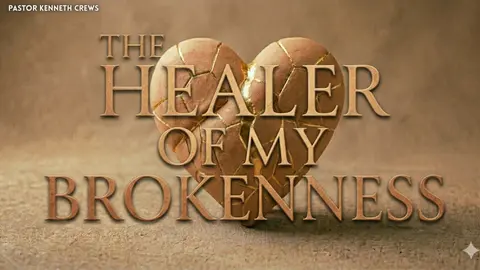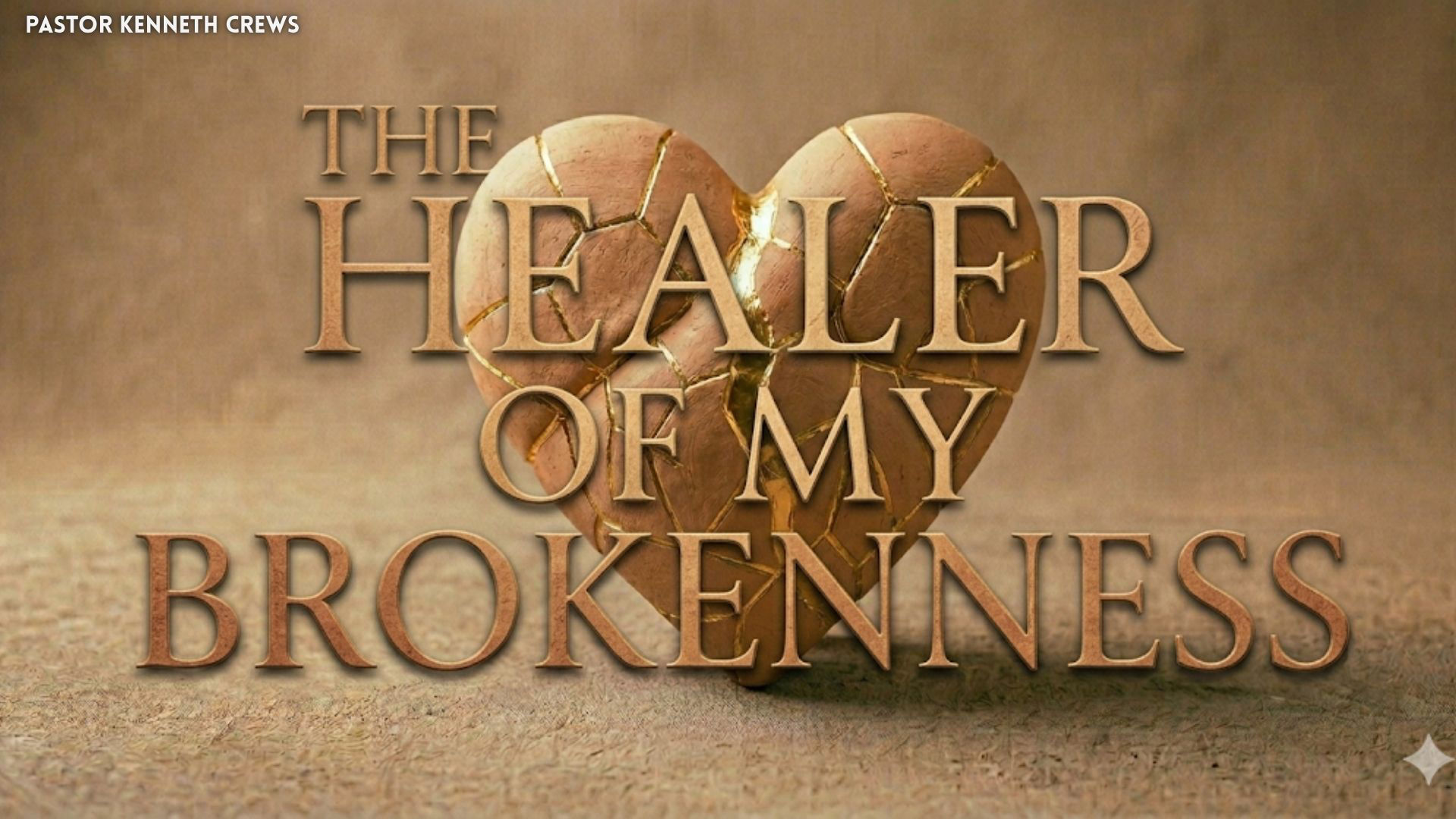
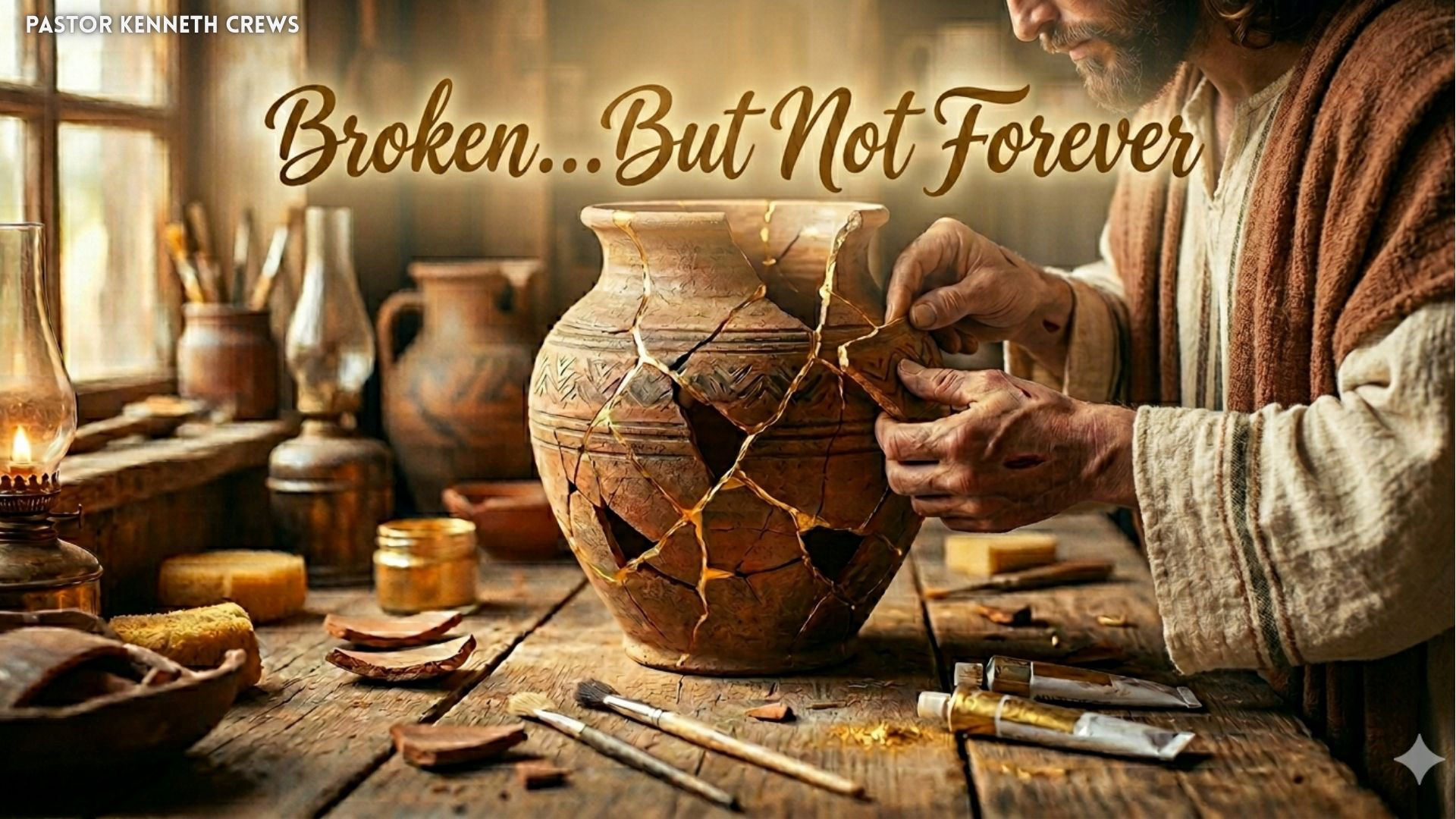
Overview This sermon uses the story of Mephibosheth from 2 Samuel 9 to illustrate that even when life leaves us broken, we don't have to stay that way. God is a healer and restorer of what is broken, offering hope and a new beginning to those who feel they have nothing left.
Key Points
Brokenness is a reality that we must acknowledge before we can be healed.
Mephibosheth's brokenness, both physical and emotional, was a result of circumstances beyond his control, but he ended up in a place of despair called Lodobar ("nothing").
Lodobar represents a state of emptiness, hopelessness, and stagnation that brokenness can lead to, where dysfunction becomes normal and pain is comfortable.
Despite his brokenness and perceived worthlessness, King David sought out Mephibosheth to show him kindness and restore him, not out of obligation, but out of love for Jonathan.
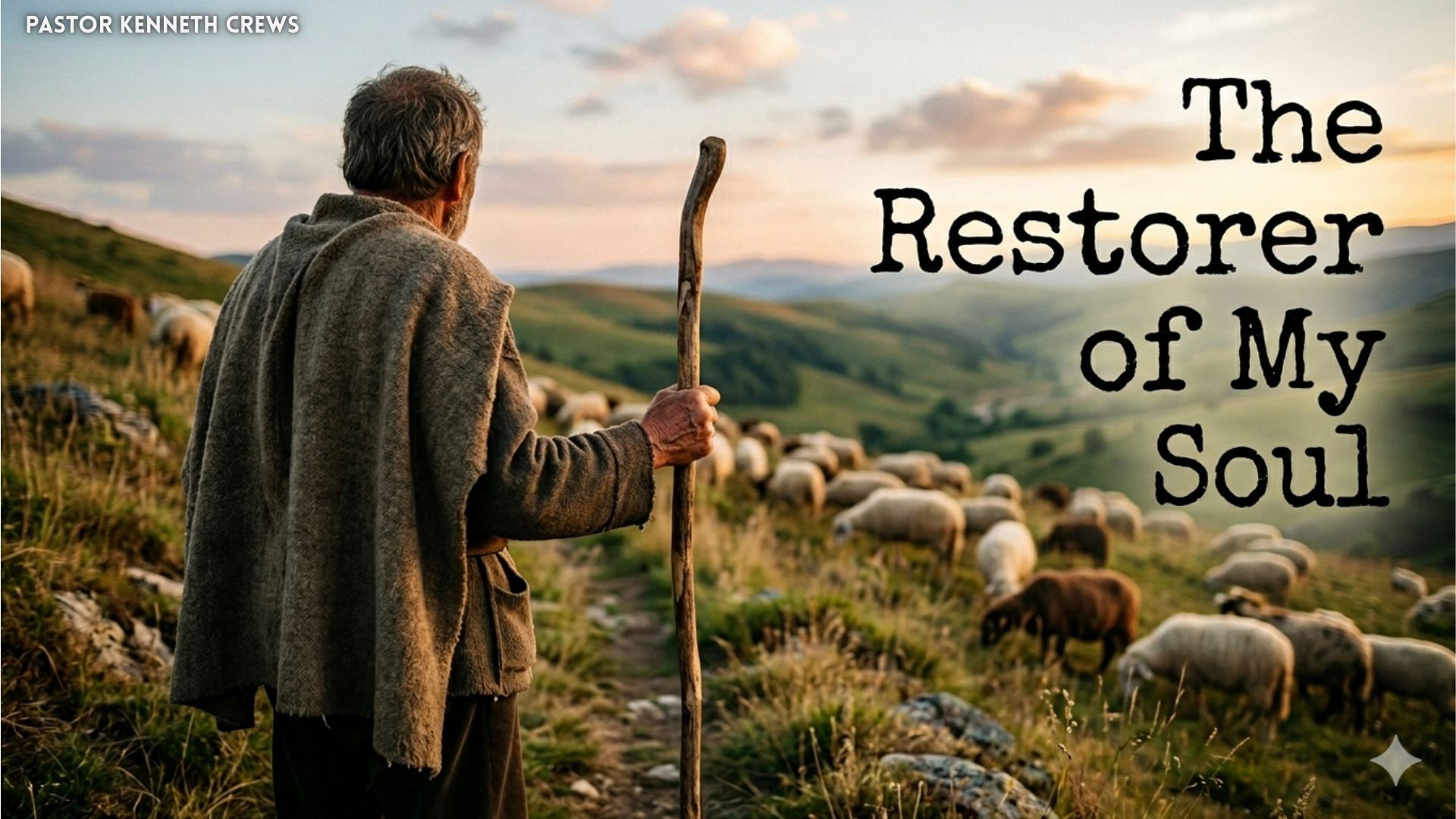
God, like King David, seeks out those who are broken, not to punish them, but to heal, restore, and give them back what was lost.
We are all lives worth saving to the King of Kings, regardless of our brokenness or past mistakes.
Scripture References
2 Samuel 9:1-13
Psalm 34:18
Psalm 51:17
Psalm 147:3
2 Samuel 4:4
Takeaways
Acknowledge the reality of your brokenness; it's okay to not be okay, and this doesn't make you less of a person or a Christian.
You are not meant to live in the "nothingness" of Lodobar; God has a plan for restoration and a life of wholeness.
Bring your brokenness, pain, and hurt to Jesus, the ultimate healer, who knows your situation and desires to restore you.
Even when you feel you have nothing to offer, you are a life worth saving to God, who loves you and wants to make you whole.
This summary is AI-generated and may not be fully accurate. Always review the original transcription for complete details.